• Sourdough doesn’t behave like other bread.
    It doesn’t follow schedules, it doesn’t care about your alarms, and it certainly doesn’t rise on command. It’s alive — and it knows it.

    That jar of flour and water on your counter isn’t just “starter.” It’s a bubbling ecosystem that feeds on time, attention, and occasional whispers of encouragement (or threats, depending on the day).

    While commercial yeast sprints, sourdough strolls.
    It stops to stretch, taste the air, maybe nap for a bit before deciding to rise. But in that time, it transforms — breaking down gluten, unlocking nutrients, and building flavors that only happen when nature’s in charge.

      1. Easier to digest

      The long fermentation process partially breaks down gluten, starches, and phytates before you ever take a bite.
      That means less bloating, gentler digestion, and an easier time for many people who find commercial bread too heavy.


      2. Lower Glycemic Impact

      Because the wild yeast and bacteria pre-digest sugars and starches, sourdough causes a slower, steadier rise in blood sugar.
      It satisfies longer, with fewer spikes and crashes.


      3. Natural Probiotics & Prebiotics

      While live probiotics don’t usually survive baking heat, the organic acids they leave behind still benefit gut health.
      And the fermentation process creates prebiotics — food for the good bacteria already in your gut.


      4. Better Nutrient Absorption

      Fermentation neutralizes phytic acid (found in grains), which normally blocks the absorption of minerals like zinc, iron, and magnesium.
      Sourdough unlocks the nutrients your body might otherwise miss.


      5. Naturally Preserved

      The lactic acid produced by the starter naturally resists mold and slows staling — that’s why sourdough stays fresh longer than yeasted loaves, even without preservatives.


      6. No Additives or Commercial Yeast Needed

      A strong starter is the yeast and flavor all in one.
      You control the ingredients, which means no hidden sugars, dough conditioners, or improvers. Just flour, water, salt, and patience.


      7. Richer, More Complex Flavor

      Wild fermentation produces organic acids, esters, and alcohols that add depth and nuance — that distinct sour note, a tender crumb, and a satisfying crust that smells like warmth itself.


      8. Satiating and Balanced

      Thanks to its structure and slower carbohydrate release, sourdough keeps you full longer.
      You end up snacking less and feeling nourished instead of heavy.


      9. Mood & Mental Benefits

      Gut health directly influences mood through the gut–brain axis.
      When your digestion runs smoothly, your serotonin (about 90% made in the gut) does too.
      Bread that makes you feel calmer? Turns out that’s real.


      10. Better Tolerance for Gluten (for Some)

      NOT SAFE for celiac disease, but many who struggle with gluten sensitivity find traditionally fermented sourdough more tolerable.
      Fermentation breaks down gluten proteins and other compounds that typically cause discomfort.


      11. Supports Local & Sustainable Food Traditions

      Maintaining a starter reconnects you to slow, mindful food.
      Every feed is a link to centuries of home baking — a rhythm of care that resists disposable culture.


      16. Brings Calm & Routine

      The daily or weekly rhythm of feeding and baking slows you down.
      It’s grounding — a small ritual that keeps you anchored to something alive and dependable.


      Sourdough isn’t neat. It doesn’t care if you measure perfectly or if your hands are still dusted in yesterday’s flour.
      It’s alive, dramatic, and full of opinions — and somehow, it still forgives you every time.

      You feed it, it feeds you, and together you stumble through the mess of time and temperature until something golden and perfect crawls out of the oven smelling like triumph.

      That’s what makes sourdough different.
      It’s not just food — it’s proof that chaos, patience, and a little love can raise miracles right on your kitchen counter.
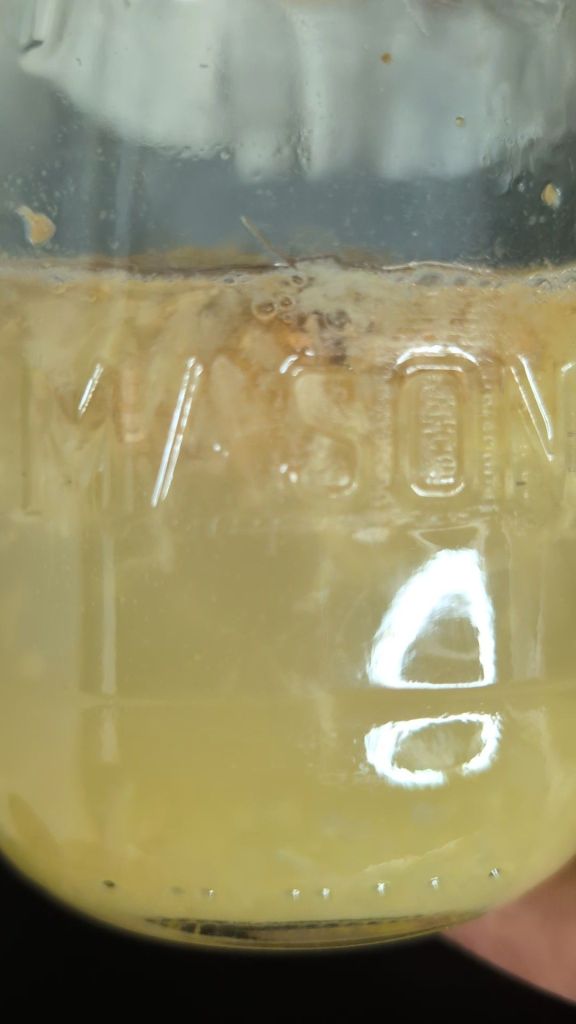
    1. There’s something quite lovely about the way a ginger bug comes to life — slow bubbles rising, soft fizz under the lid, that earthy-sweet scent of ginger and patience.

      It’s small kitchen alchemy. But it’s also deeply good for you.

      Let’s talk about why this humble, happy ferment deserves a place in your daily rhythm — not just for its taste, but for the way it takes care of you.


      1. It’s Kind to Your Gut

      Every bubble carries wild probiotics — tiny helpers that support your digestion and keep your gut flora balanced.
      That means less bloat, smoother digestion, and an inner calm that begins where so many things do: your belly.

      It’s comfort that works from the inside out.


      2. Gentle, Natural Energy

      No caffeine, no syrupy crash. Just slow, steady energy from fermented sugars and enzymes.
      It lifts you softly — the kind of energy that makes you want to stretch, not sprint.


      3. The Warmth of Ginger

      Ginger soothes inflammation, calms nausea, and stirs warmth through your body like a little spark in cold weather.
      Every sip feels grounding — like wrapping both hands around a mug and exhaling.


      4. Hydration That Feels Like a Treat

      It’s easy to forget to drink water. But a glass of sparkling ginger soda? You’ll remember that.
      Homemade fizz makes hydration feel joyful — light, crisp, a small daily pleasure.


      5. Fewer Ingredients, More Intention

      A ginger bug is honest. Just ginger, sugar, water, and time.
      You can see what’s in it, smell the change, feel it come alive.
      It’s real food you made with your own hands — simple, alive, transparent.


      6. It Slows You Down

      You can’t rush fermentation. You have to watch, feed, and wait.
      It asks for your attention, gently. In return, it teaches patience — that small daily rhythm that steadies everything else.

      Stirring the jar becomes its own kind of mindfulness.


      7. They Help the Body Handle Sugar Better

        Because the microbes feed on sugar, they partially digest it before you drink it.
        That means your ginger soda is gentler on blood sugar levels than most sweet drinks — you still get a touch of sweetness, but the load is lighter and slower.


        8. They Support Liver & Detox Function (Indirectly)

        Ginger stimulates digestion and bile production.
        Add the mild fermentation acids from your bug, and you’ve got a simple tonic that helps your system process fats and clear sluggishness after heavy meals.


        9. They Strengthen Immunity in Small, Daily Ways

        Regular, moderate consumption of fermented drinks helps maintain the balance between good and bad microbes in your gut — and that balance supports immune response.
        It’s not a miracle, just quiet reinforcement from the inside out.


        10. They May Help with Inflammation & Joint Comfort

        Ginger’s natural anti-inflammatory compounds (gingerol and shogaol) don’t vanish in fermentation — they mellow, but they stay active.
        That little tingle of spice isn’t just flavor; it’s function.


        11. They’re Naturally Calming

        The act of sipping something homemade and living is grounding in itself.
        But there’s also a subtle biological side — balanced gut flora help regulate serotonin, which can lift mood and ease anxiety.
        A little bottle of peace disguised as soda.


        12. They Encourage a Healthier Microbiome Overall

        Not just in your gut — regular exposure to beneficial microbes (through food, gardening, ferments) keeps your immune system educated.
        You’re literally training your body to recognize friends from foes.


        Every jar of ginger bug starts the same way — sugar, water, and a little patience.
        What it gives back is something far bigger than bubbles: a daily reminder that care, however small, creates change.

        So pour your glass slowly.
        Listen for the fizz.
        And remember — tending to something living has a way of tending to you too.

      1. So you wanna make sourdough?
        Welcome to the hobby where you voluntarily cultivate a bubbling jar of microbes and rearrange your entire schedule around its snacks.

        Buckle up. Things are about to get flour-dusty and spiritually confusing.

        Step 1: Wake Up Your Yeast Gremlin

        Open your fridge and look at your neglected starter like it’s a houseplant you swore you wouldn’t kill.

        Feed it flour and water.

        Whisper encouragement. Threaten it. Whatever works.
        You’re trying to convince a jar of fermented goo to rise like it’s auditioning for a yeast Broadway show.

        > When it doubles, bubbles, and smells like a tangy dream?
        It’s ALIVE.

        Step 2: Mix Stuff Until It Resembles Hope

        In a bowl, combine:

        Water (350g)

        Flour (500g)

        Mix until you get a dough that looks like wet Play-Doh and questionable life choices.

        If it looks wrong?
        …It always looks wrong right now. Carry on.

        Step 3: Autolyse (Fancy Word for “Break Time”)

        Cover bowl. Walk away for 30 minutes.

        Go live your life. Scroll. Stare at a wall. Consider starting a homestead.
        (Don’t. Chickens are a trap.)

        Step 4: Mix in the good stuff.

        Add your starter (100g) and salt (10g) until it’s well combined.

        You’re going to get messy!

        Let it rest another 30 minutes (BULK FERMENTING STARTS NOW)

        Step 5: Stretch & Fold Time.

        Every 30 minutes, return to your dough swamp for a total of 4 rounds.

        Grab a corner. Stretch it up.
        Fold it over like tucking in a toddler mid-tantrum.

        Repeat until it feels smooth and elastic, like a polite cloud instead of swamp goo.

        If you forget a fold?
        Congratulations, you’re normal. Keep going.

        Step 6: Let It Rise

        Leave dough alone until it’s puffy, jiggly, and looks like it would gossip if allowed in public.

        Could be 4 hours. Could be 8.
        Sourdough lives outside time like a medieval wizard.

        Step 7: Shape It (Gently But Threateningly)

        Dump it on the counter. Pretend you’re confident.
        Fold edges under until it forms a cute flour-covered orb.

        Tell it you believe in it.
        Tell it you’ll be deeply betrayed if it doesn’t rise.

        Place in a floured bowl. Refrigerate overnight.

        The fridge is where the flavor happens.
        Also where you forget it until noon tomorrow. It’s fine.

        Step 8: Bake Like a Drama Queen

        Heat oven and Dutch oven to 475°F (245°C).

        Flip dough onto parchment. Score with a razor like bread-surgery.

        If it sticks to the counter and you panic-scoop it?
        Congratulations, you’re doing real sourdough.

        Bake:

        20 min covered (steam = crust magic)

        20–25 min uncovered (until it looks like artisanal witch bread)

        Step 9: LET IT REST

        Do. Not. Slice.
        Bread screams if cut too early and so will you.

        Wait AT LEAST one hour while you contemplate your life and snack.

        Step 10: Admire Your Work

        Slice it. Smell it. Flex on your friends.

        You’re now someone who casually yeast-wrangles for fun.

        Bread sorcery unlocked.
        Go forth and carbo-hydrate.

        Final Wisdom

        If it’s ugly? Rustic.

        If it’s flat? Call it “focaccia” and move on.

        If you can’t eat it, try again.

      2. If you’ve made it here, congratulations — you’ve officially entered the realm of feral carbonation magic.

        You started with a jar of shredded ginger and sugar.
        You whispered to it. You fed it. You watched it bubble like a tiny swamp spirit learning joy.

        And now?
        Now it’s time to brew potions.

        A ginger bug isn’t just a ferment — it’s a fizzy little alchemist, turning ordinary juice into sparkling mischief powered by wild yeast, ancient patience, and probably a few kitchen goblins cheering from the shadows.

        These recipes are:

        fun

        weirdly powerful

        a little unpredictable (in a charming way)

        and guaranteed to make you feel like a potion crafter in a cottage tucked between mossy tree roots and questionable mushroom circles

        They fizz, they pop, they sometimes threaten to explode if you forget to burp them — which honestly? Same.

        Ready to stir chaos into sweetness and drink homemade bubbles like a whimsical gremlin who correctly distrusts commercial soda?

        Good.
        Grab your bottles. Wake your ginger bug. Let’s conjure.

        Ginger Lemon Potion (Not Your Grandma’s Lemonade)

        This is not a beverage.
        This is electric citrus sorcery in a glass.

        You’ll Need

        2–3 tbsp ginger bug juice (your bubbly gremlin brew)

        Juice of 1–2 lemons (the sour, dramatic ones)

        1–2 tbsp sugar or honey (sweetness = fuel for mayhem)

        Water to fill bottle

        Slice of ginger (for ✨power✨)

        How to Conjure

        1. Squeeze lemons like they owe you money.
        2. Stir in sweetener until dissolved — this is the bug’s snack.
        3. Add your ginger bug juice like a chaotic blessing.
        4. Bottle it with space at the top (bubbles need room to plot).
        5. Let sit 24–48 hours. Burp daily so your kitchen doesn’t reenact a volcano scene.
        6. Chill, then open slowly because pressure builds like a toddler with secrets.


        Chaotic Berry Elixir

        This is the drink you serve when you want to feel like a fairy queen who also lives under a toadstool and hoards spoons.

        You’ll Need

        2–3 tbsp ginger bug starter liquid

        1 cup smashed strawberries (feral smashing encouraged)

        1–2 tbsp sugar or honey

        Splash of lemon (optional but fancy)

        Water to dilute

        How to Summon

        1. Smash berries until they surrender their juice.
        2. Mix with sweetener and water.
        3. Strain… or don’t. You are chaos.
        4. Add ginger bug elixir. Stir respectfully.
        5. Bottle and leave on counter 24–72 hours while bubbles gossip.
        6. Burp daily or it will burp itself — aggressively.
        7. Chill and open like you’re defusing a carbonated goblin grenade.

      3. When I first began sourdough, I imagined peaceful morning bread-whispering and wholesome cottage vibes.
        Instead I became a dough-smudged gremlin pacing around the counter whispering, “rise, you beautiful swamp creature.”

        If you’re entering this enchanted flour forest, here’s what I wish I knew.


        1. Starters Are Weird Before They’re Wonderful

        It will bubble strangely.
        It will smell like a cheese cave for a minute.
        It may go silent like it’s plotting.

        This is normal. Wild yeast is basically forest spirits — they wake up when they feel like it, not when you schedule it.


        2. Temperature Is the True Dungeon Master

        Recipes give hours.
        Reality gives vibes.

        Warm kitchen = speedy dough
        Chilly kitchen = dough that naps like a moss-covered troll

        Rule: Watch the dough, not the time.
        You’re looking for puffy, jiggly, air-bubble magic.


        3. Sticky Dough Is Not a Curse

        It clings. It stretches. It tries to escape.

        This is not failure — this is life.
        Stop panic-flouring everything like a startled bakery raccoon.

        Tip: Wet hands. Gentle folds. Trust the goo.


        4. Shaping Is a Skill, Not a Spell

        Your first loaf may resemble a woodland pancake.
        You’re learning tension. Like coaxing a frog onto your hand without startling it.

        Bench scraper > brute force
        Smooth tucks, little circles, patient hands.


        5. Salt Is Sacred

        Forget salt once and your loaf will taste like sadness and damp moss.

        Salt does:

        flavor

        structure

        keeps yeast from joining a circus and fermenting wildly


        Honor the salt.


        6. The Fridge Is Your Magical Ally

        Cold proofing =
        ✨ deeper flavor
        ✨ easier scoring
        ✨ dramatic oven spring

        It also lets you live your life instead of babysitting dough like a flour-covered cryptid.


        7. Fancy Tools Are Optional

        Would a banneton be nice? Sure.
        Do you need one? Absolutely not.

        Goblin starter pack:

        bowl + towel

        sharp knife

        sturdy pot

        stubborn determination


        8. Don’t Slice Too Soon

        The loaf will whisper… “Cut me.”

        Ignore its siren song.

        If you slice early → gummy sadness.
        If you wait → crumb poetry.

        Drink tea. Pace around. Sniff dramatically.


        9. Loaves That Look Chaotic Still Taste Divine

        Did it spread out?
        Crack weird?
        Get a “rustic goblin cave bread” vibe?

        Excellent. That’s personality.

        Toast hides all sins. Butter heals souls.


        10. It’s Not Just Bread — It’s Ritual

        Sourdough teaches:

        patience

        observation

        tiny triumphs

        embracing the wild


        You don’t tame sourdough — you befriend it like a crow who slowly learns you bring snacks.

        And one day it clicks.
        Suddenly you’re humming over bubbling jars, flour dust in your hair, living your cozy feral baking dream.


        Final Goblin Blessing

        May your starter froth,
        your dough rise strong,
        and your kitchen always smell like the hearth of a mossy cottage ruled by bread spirits and tiny mischievous yeast gods.

        Proceed. Bake. Become the bread goblin.

      4. So you’ve got a sourdough starter and suddenly every time you feed it, there’s this extra blob of batter-looking slop staring at you like:

        > “Are you seriously going to WASTE ME?!”


        And you’re like…
        “No?? Maybe?? I don’t know, I didn’t ask for this level of responsibility when I decided to ferment flour for fun.”

        Welcome to sourdough discard:
        the chaotic bonus goo of the fermentation realm.


        What Even Is Discard?

        In scientific terms: the portion of starter you remove so it doesn’t become a jar-sized monster that eats your kitchen.

        In emotional terms: your starter shedding its old skin like a lil yeasty snake.

        In goblin terms:
        flavor sludge that turns normal recipes into fermented glory.


        Why Keep It?

        Because sourdough discard:

        Tastes good

        Saves money

        Prevents guilt spirals

        Makes you feel like a rustic wizard recycling yeast energy into snacks


        And honestly… it’s morally wrong to throw out something that can become a pancake.


        What Can You Make?

        Oh sweet carb darling, almost anything. Try these:

        Pancakes (fluffy but also slightly feral)

        Waffles that will make you cry tears of joy

        English muffins (holes? yes. dignity? not guaranteed)

        Crumpets that look weird but taste like heaven

        Crackers (danger: you’ll eat 70)

        Pretzels (the dough fight is part of the experience)

        Pizza crust (crispy edges, soft center, zero regrets)

        Flatbread for when life feels flat (ha… ha… okay I’ll stop)

        Cookies with secret tangy power

        Banana bread that judges all other banana breads

        Cinnamon rolls that cure emotional damage

        ✨ Bonus✨

        Dog treats, because your pet now also participates in fermentation culture


        Rules of the Discard Coven

        If it smells pleasantly tangy — good.

        If it smells like a dragon died in there — we start over.

        Grey liquid on top? Hooch. Stir it. Your starter is just dramatic.

        Mold? Burn it. Start fresh. Sage the jar if needed.

        ≈Final Message ≈

        Sourdough discard isn’t trash.
        It’s culinary chaos fuel.
        It’s the difference between a normal breakfast and one that whispers

        > “I am fueled by wild microbes and spite.”


        Use it. Treasure it. Bake with it like you’re the carb-powered forest cryptid you were meant to be.

      5. So your ginger bug is acting suspicious?
        Not bubbling? Too bubbly? Smells like a mythical swamp beast?

        Welcome.
        Fermentation isn’t a hobby — it’s a personality shift.

        Let’s wrangle your spicy carbonation creature.


        ❎ Problem: No Bubbles. No Fizz. No Vibes.

        Your bug is sitting there like wet disappointment.

        Diagnose:
        It’s shy. Or grumpy. Or cold. Or all of the above.

        ✅Fix:

        Find it a warm cozy spot (not freezer vibes — think “warm tea grandma kitchen”)

        Feed daily: 1 tbsp ginger + 1 tbsp sugar

        Stir 2–3 times a day like you’re encouraging it to gossip


        Translation:
        It’s not dead. It’s just lazy and dramatic. Keep going.


        ❎ Problem: Funky Smell

        Good smells: spicy, citrusy, yeasty, “ginger beer cottage witch energy”

        Bad smells: dead fish, sewage, wet socks from a cursed realm

        ✅Fix for the funky-but-okay stage:
        Keep feeding. All ginger bugs have an “awkward puberty” phase.

        ✅Fix for demon-stench:
        Stop. Dump. Bleach jar. Start fresh.
        This bug was possessed.


        ❎ Problem: White Film on Top

        Congrats — that’s kahm yeast, aka “harmless fermentation dandruff.”

        ✅ Fix:

        Skim it off

        Feed your bug

        Carry on like nothing happened


        Not mold. Not death. Calm down.


        ❎ Problem: Pink/Orange/Green Spots

        That’s mold.
        Not “artisan colors.” Not “funky.”

        ✅Fix:
        Channel your inner Viking and banish it.
        New jar. New ginger. New hope.


        ❎ Problem: It Was Bubbly But Now It’s Sleeping

        Ginger bug: “I peaked. Now I nap.”

        ✅Fix:

        Feed daily again

        Warm location

        Add a splash of pineapple juice for chaos boost (optional, powerful)


        This bug just hit a burnout phase. Respect it.


        ❎ Problem: Bug Smells Like Nail Polish Remover

        Ah yes. The “I am starving and dramatic” aroma.

        ✅Fix:
        Feed immediately. Big feed.
        Bug wants brunch, not crumbs.


        ❎ Problem: Too Foamy, Trying to Escape Jar

        Your ginger bug has achieved full gremlin power.

        ✅Fix:

        Loosen lid (unless you like ginger explosions)

        Stir it down gently

        Feed slightly less sugar next time

        Maybe whisper “calm down, tiny beast”


        Honestly… congrats.


        ❎ Problem: My House Is Cold

        Your bug is not vibing with winter cabin energy.

        ✅Fix:

        Near a warm appliance (not on it unless you enjoy ginger lava)

        Inside the oven with light the on

        Wrapped in a tea towel like a cozy burrito


        Warm bug = happy fizz gremlin.


        ❎Problem: It’s Been Days and Still Weak

        Some ginger bugs are gifted.
        Some need encouragement and snacks like the rest of us.

        ✅Fix:

        Keep feeding daily

        Switch to organic ginger (more wild microbes)

        Filtered water

        Add a tiny pinch of salt and squeeze of lemon (microbe rave fuel)


        Patience. Power is building.


        Signs Your Ginger Bug Is ✨Thriving✨

        →Bubbles rising like it’s plotting mischief

        →Hiss when opening jar like carbonation sass

        →Sweet + spicy + tangy aroma

        →Foamy cap after feeding

        →A sparkle in its metaphorical eye


        →If it seems slightly unhinged? You’re doing great.


        When to Declare Time of Death

        →Mold (goodbye forever)

        →Smells like despair and dumpster juice

        →No activity after 10+ days of consistent feeding in a warm spot


        Pour one out. Try again. You are stronger now.


        Final Encouragement

        You are raising a tiny bubbling chaos cauldron.
        It will test you. It will reward you.
        It will sometimes act like a diva with needs and feelings.

        But soon?
        Soon you will be handing people homemade ginger soda like some kind of fizzy forest witch who harnesses carbonation from the ether.

        And honestly? Iconic.

      6. So your sourdough starter is… acting weird?
        Foaming? Sulking? Smelling like a medieval tavern?
        Congratulations — you’re in the club.

        Here’s how to diagnose your bubbling flour creature before you throw it out, cry, or both.

        ❎Problem: No Bubbles. No Rise. Just… Goo

        “Why is it doing NOTHING???”

        What’s happening:
        Your yeast hasn’t fully clocked in yet. Lazy microbes.

        ✅Fix:

        Put the jar somewhere warm (75–80°F / 24–27°C = starter spa)

        Feed twice a day like it’s a tiny carb-eating dragon

        Switch to unbleached flour if you used bleached (yeast hates bleach, fair)

        Translation:
        It’s not dead, it’s just unimpressed. Keep feeding.

        ❎Problem: It Rose… and Then Collapsed

        “My starter exploded upward and now it looks sad. Help.”

        What’s happening:
        It ate, got excited, then crashed — like a toddler after sugar.

        ✅Fix:
        Feed more often. It’s hungry.
        Actually good sign — this is growth energy.

        ❎Problem: Grey Liquid on Top

        “There’s zombie juice floating on my starter.”

        What’s happening:
        Hooch. The starter equivalent of “I’m starving and dramatic.”

        ✅Fix:
        Stir it in, feed it, whisper soothing bread affirmations.

        If smell is too aggressive → pour off and feed.

        ❎ Problem: It Smells… Strange

        ✓Acceptable smells:

        Tangy

        Fruity

        Yogurt-ish

        “Wild barnyard” but in a charming cottagecore way

        × Danger smells:

        Rotting corpse in a swamp

        Moldy socks dipped in vinegar

        Nail polish remover-level fumes

        ✅Fixes:

        Nail polish smell → more feeding

        Actual rot → yeet that jar into the void and start again

        ❎Problem: Pink, Orange, Fuzzy Stuff

        This isn’t fermentation.
        This is nature telling you to back away slowly.

        ✅Fix:
        Throw it out.
        Scrub jar.
        Light a candle.
        Try again.

        Do NOT negotiate with mold.

        ❎ Problem: Too Runny / Too Thick

        Runny slime monster:
        Feed with more flour. Switch to bread flour.

        Dough-brick paste:
        Add a splash of water. Stir like you mean it.

        Target texture = thick pancake batter.

        ❎ Problem: Starter Is Moody Because Your House is Cold

        Starters don’t like feeling like it’s November in Scotland.

        ✅Fix:

        Warm corner

        Inside microwave (door cracked, light on = cozy bug cave)

        Near oven (not ON the oven unless you enjoy chaos)

        ❎ Problem: It’s Been a Week and Still Weak

        Starters have personalities. Some are gifted, some are “average but trying.”

        ✅Fix:

        Patience

        Consistent feeding

        A little whole wheat boost

        Emotional support yelling (optional but powerful)

        ❎ Problem: My Starter Works But My Bread Doesn’t Rise

        Listen… sometimes the starter isn’t the villain.

        Check if you:

        Used ACTIVE starter (not discard)

        Let dough ferment long enough

        Kept dough warm while rising

        Didn’t drown it in flour like a panic baker

        If starter doubles after feeding → it’s not the problem. You just need more reps. You got this.

        ✨When to Officially Give Up✨

        Fuzzy mold

        Pink/orange streaks

        Smells like a bog demon

        You emotionally need a reset

        Otherwise?
        Don’t toss it. Feed it. Believe in it.

        Starters love dramatic arcs.

        So do we.

        Final Vibe Check ✔️

        If your starter is:

        Bubbling? Good.

        Rising weirdly? Good.

        Smelling interesting? Good.

        Trying to escape jar? Also good.

        If it’s doing anything, honestly — you’re on track.

        You’re raising wild microbes, not baking with obedient little yeast pellets.
        Chaos is part of the journey.

      7. If you’ve ever wanted to brew your own bubbly, probiotic-rich drinks at home — without a machine, fancy equipment, or questionable mystery powders — a ginger bug is where it begins.

        Bubbly 3 day old ginger bug!


        It’s incredibly simple: just ginger, sugar, water, and a bit of patience. In a few days, you’ll have a lively fermentation starter ready to turn everyday juice or tea into naturally fizzy soda.


        You’ll Need

        →Fresh ginger (unpeeled, organic — the skin carries natural microbes)

        →Sugar (any kind works: white, cane, coconut sugar, etc.)

        →Water (filtered or bottled spring)

        →A glass jar

        →A cloth or loose lid

        →Spoon, knife, and cutting board


        Optional but handy:

        →Rubber band & tape for marking growth

        →Second clean jar for when it’s active


        The 5-Day Ginger Bug Schedule

        Day 1 — Mix

        Grate or finely chop 1 tablespoon ginger

        Add 1 tablespoon sugar

        Add 1 cup water


        Stir well. Cover loosely.
        Leave the jar somewhere warm and cozy — the counter is perfect.


        Day 2 — Feed

        Add 1 tablespoon ginger

        Add 1 tablespoon sugar


        Stir again.
        If you see tiny bubbles starting — good sign. If not, you’re still right on track.


        Day 3 — Feed

        Repeat:

        1 tablespoon ginger

        1 tablespoon sugar


        By now you’ll usually see:

        Bubbles rising from the bottom

        A little fizz when stirred

        A subtly fruity, gingery, yeasty smell


        It’s waking up.


        Day 4 — Feed

        You know the drill:

        Ginger + sugar + stir


        Your bug should look lively — bubbles, light foam, or a gentle hiss when you open it.


        Day 5 — Check & Feed

        Feed again.
        If it’s:

        ✅ bubbly
        ✅ slightly fizzy
        ✅ smells tangy + sweet
        ✅ perks up a few hours after feeding

        Congratulations — your ginger bug is active!

        If it needs another day or two? Totally normal. Fermentation has its own rhythm.


        How to Use Your Ginger Bug

        To make soda, strain 2–4 tablespoons of the liquid into your sweetened juice or tea base. Bottle it loosely and let it ferment at room temperature 1–3 days until bubbly.

        Keeping It Alive

        Once active, you can:

        Daily use:
        Keep feeding 1 tsp sugar + 1 tsp ginger per day.

        Slower pace:
        Store in the fridge and feed once a week.

        Treat it like a tiny fermentation garden — a little feeding, occasional attention, and it will last for years.

      8. So you want to trap wild yeast in a jar and force it to obey you?
        Bold. Beautiful. Slightly unhinged. I respect it.

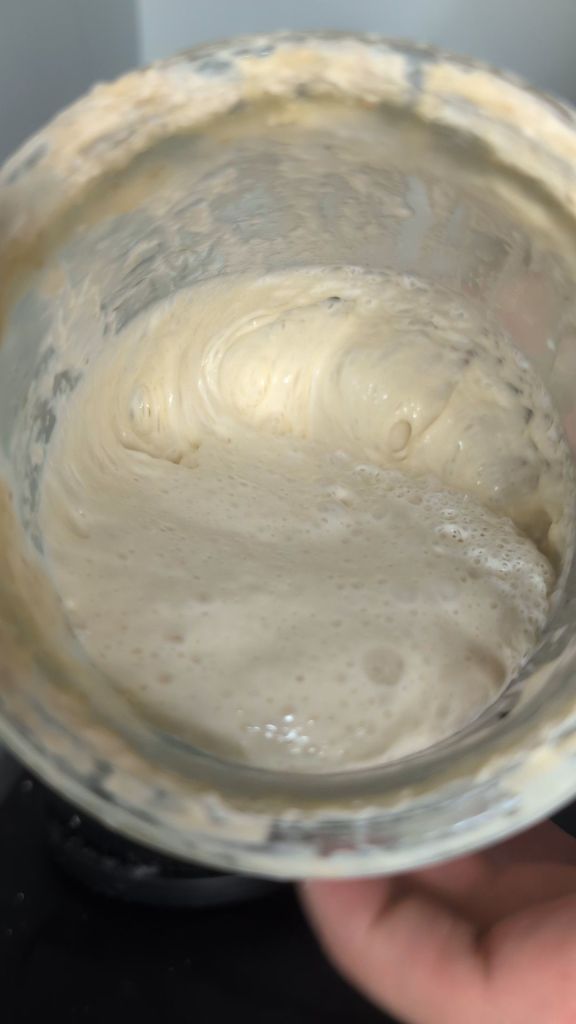
        Hungry, chaotic starter.

        A sourdough starter is basically a tiny kitchen dragon that eats flour and water and rewards you with bread — if you earn its respect.

        Let’s conjure one.


        Ingredients for Microbial Witchcraft

        →Flour

        →Water

        →A jar that says “I nurture chaos”

        →A willingness to feed a jar like it’s your child now

        →Optional but spiritually powerful: a rubber band to mark growth (and your emotions)


        ~Day-by-Day Guide to Creating a Flour Creature~

        Day 1 — Birth of the Beast

        Mix equal parts flour + water.
        Stir like you’re awakening ancient forces.

        It will look like paste. It will not be inspiring.
        Cover loosely and leave it alone.

        Congratulate yourself. You’ve done alchemy.


        Day 2 — Suspicious Silence

        Check jar.
        See nothing happening. Panic slightly.

        Feed it again anyway.

        Is it alive? Probably.
        Is it judging you? Definitely.


        Day 3 — Chaos Awakens

        It bubbles.
        It smells weird. Like cheese? Maybe gym socks?

        Good. That’s fermentation, baby.

        Discard half. Feed it again.
        You are now officially in a relationship with goo.


        Day 4 — The Emotional Rollercoaster

        Your starter may:

        Foam

        Rise dramatically

        Collapse like it just ran a marathon

        Smell like a brewery under a bridge

        All normal.

        Feed. Stir. Question your sanity. Continue.


        Day 5 — The Test of Loyalty

        If your jar goblin is rising like bread-scented lava and then falling gracefully:

        Feed twice a day.

        If not, keep feeding once and whisper encouragement like:

        “Rise, you weird little flour elf, rise.”

        It hears you. I promise.


        Day 6 — Hope

        It starts doubling like it pays rent.
        You feel pride. Possession. A little fear.

        Welcome to the club.

        Feed it, admire it. Consider framing its bubbles.


        Day 7 — The Float Test

        Drop a spoonful in water.

        Floats? Congrats, you have a bubbly yeast gremlin ready to bake.

        Sinks? It’s dramatic. Feed it again and give it a pep talk.

        You did it.
        You nurtured life with your bare hands like a medieval wizard.


        ★Starter Wisdom From Someone Who Has Been Fermented by This Process★

        Forget a feeding? → Starter forgives you quicker than a houseplant.

        It smells funky before it smells good. Like character development.

        If it grows mold, that’s not “funky artisan vibes.” START OVER.

        It is not powerful enough to start a pandemic. Relax.


        Welcome to Your New Personality

        You now:

        ✔️ Talk about microbes casually
        ✔️ Judge store-bought bread
        ✔️ Say “feed my starter” like that’s normal
        ✔️ Consider naming your jar (please do, it’s tradition)

        Your friends may not get it.
        Your family will pretend to listen.
        Your starter? It believes in you.

        Go forth. Bake.
        And may your dough be elastic and your patience long.