If you’ve ever wanted to brew your own bubbly, probiotic-rich drinks at home — without a machine, fancy equipment, or questionable mystery powders — a ginger bug is where it begins.
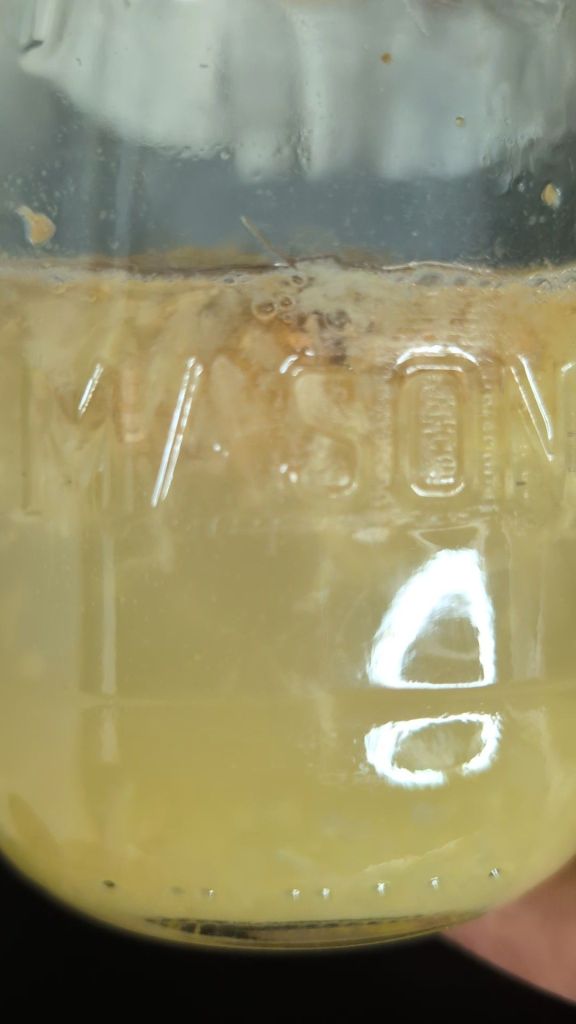
It’s incredibly simple: just ginger, sugar, water, and a bit of patience. In a few days, you’ll have a lively fermentation starter ready to turn everyday juice or tea into naturally fizzy soda.
—
You’ll Need
→Fresh ginger (unpeeled, organic — the skin carries natural microbes)
→Sugar (any kind works: white, cane, coconut sugar, etc.)
→Water (filtered or bottled spring)
→A glass jar
→A cloth or loose lid
→Spoon, knife, and cutting board
Optional but handy:
→Rubber band & tape for marking growth
→Second clean jar for when it’s active
—
The 5-Day Ginger Bug Schedule
Day 1 — Mix
Grate or finely chop 1 tablespoon ginger
Add 1 tablespoon sugar
Add 1 cup water
Stir well. Cover loosely.
Leave the jar somewhere warm and cozy — the counter is perfect.
—
Day 2 — Feed
Add 1 tablespoon ginger
Add 1 tablespoon sugar
Stir again.
If you see tiny bubbles starting — good sign. If not, you’re still right on track.
—
Day 3 — Feed
Repeat:
1 tablespoon ginger
1 tablespoon sugar
By now you’ll usually see:
Bubbles rising from the bottom
A little fizz when stirred
A subtly fruity, gingery, yeasty smell
It’s waking up.
—
Day 4 — Feed
You know the drill:
Ginger + sugar + stir
Your bug should look lively — bubbles, light foam, or a gentle hiss when you open it.
—
Day 5 — Check & Feed
Feed again.
If it’s:
✅ bubbly
✅ slightly fizzy
✅ smells tangy + sweet
✅ perks up a few hours after feeding
Congratulations — your ginger bug is active!
If it needs another day or two? Totally normal. Fermentation has its own rhythm.
—
How to Use Your Ginger Bug
To make soda, strain 2–4 tablespoons of the liquid into your sweetened juice or tea base. Bottle it loosely and let it ferment at room temperature 1–3 days until bubbly.
Keeping It Alive
Once active, you can:
Daily use:
Keep feeding 1 tsp sugar + 1 tsp ginger per day.
Slower pace:
Store in the fridge and feed once a week.
Treat it like a tiny fermentation garden — a little feeding, occasional attention, and it will last for years.
 The Wild Crumb
Leave a comment